


This guidance applies to all images and videos taken on any type of camera or recording device (including mobile phones). It applies to all training sessions, activities and events run by an swim england affiliated organisation.
it is acknowledged that although the majority of images taken are appropriate and in good faith, images can be misused and children can be put at risk if common sense procedures are not observed.

Swim england photography guidance aims to help LASC avoid three potential sources of child abuse:

The use, adaptation, sharing or copying of images for child abuse purposes, either electronically or in print.

The possible identification of a child when an image is accompanied by significant personal information, which can lead to the child being groomed’.
The identification and locating of children where there are safeguarding concerns; such cases would include, for example, children who could be compromised by an image because:
recommended best practice
the publishing of a photograph of a member under 18, either on a notice board or in a published article or video recording (including video streaming) of a competition (‘publication’) should only be done with parental consent and in line with swim england guidelines.
a parent or guardian has a right to refuse to have their child photographed. The exercise of this right of refusal should not be used as grounds for refusing entry into a competition. therefore, any photo that may go to press or on a notice board, be it through a member of the organisation or an official photographer, should receive parental consent before being published or displayed, preferably in writing.
In the case of any event or competition where the host organisation has an official photographer, all parents of members who are attending should be made aware of this in the event details. If photos are to be published anywhere, each individual parent should be given the opportunity to withhold their consent. Their right to do so should be specifically drawn to their attention..
swim england guidelines state that all photographs for publication must observe generally accepted standards of decency, particularly:
photographs should not be taken from behind the starting blocks or that show young participants climbing out of the pool.
published photographs may identify the individual by name and organisation but should not state the member’s place of residence or school attended. swim england and LASC does not wish to stop parents photographing their child if they wish, but all organisations must ensure they do all they can to safeguard each child’s wellbeing.
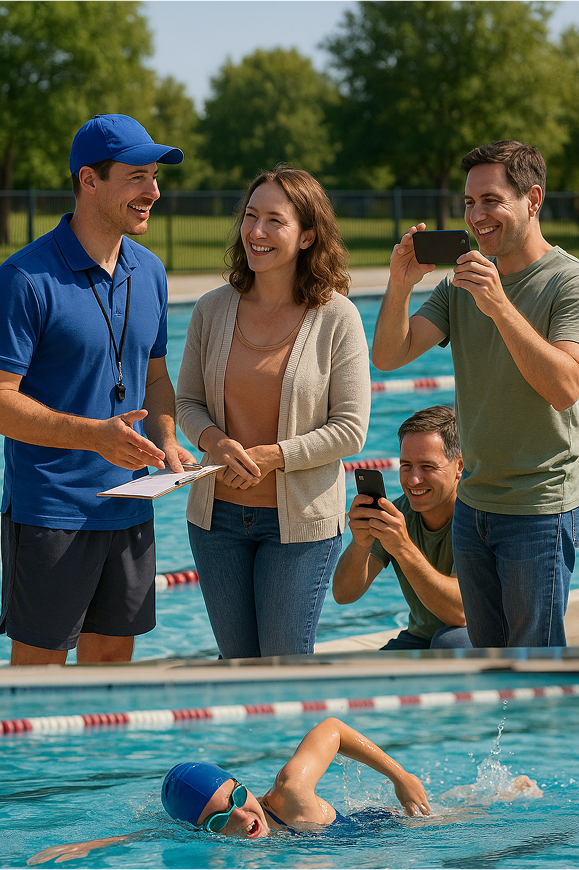
In some cases, LASC will ask a member or officer to act as an official photographer for an event and in some cases, they may employ a specialist photographer. their role is to take appropriate photos that celebrate and promote aquatics.
when taking any image, they should be asked to:
The publishing of a photograph of a member under 18, either on a notice board or in a published article or video recording (including video streaming) of a competition (‘Publication’) Should only be done with parental consent and in line with Swim England guidelines.
A parent or guardian has a right to refuse to have their child photographed. The exercise of this right of refusal should not be used as grounds for refusing entry into a competition. Therefore, any photo that may go to press or on a notice board, be it through a member of the organisation or an official photographer, should receive parental consent before being published or displayed, preferably in writing. In the case of any event or competition where the host organisation has an official photographer, all parents of members who are attending should be made aware of this in the event details. If photos are to be published anywhere, each individual parent should be given the opportunity to withhold their consent. Their right to do so should be specifically drawn to their attention.
Sometimes LASC appoints an official photographer. Their role is to take appropriate photos that celebrate and promote aquatics.
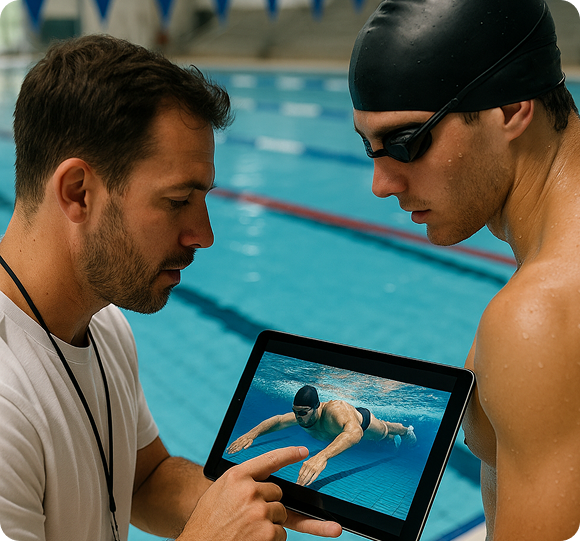
Filming during training sessions is not recommended unless there is a legitimate need or purpose for the filming. for example wishing to film children to assist in their stroke technique.
if there is a legitimate need or purpose parents/guardians must be provided with full information such as when the filming is proposed, its purpose, who is filming, how the film will be used and an agreement on what will happen once the film has served its purpose. This allows parents/ guardians to provide informed consent or otherwise. written consent to the filming should be requested from the parents/ guardians.
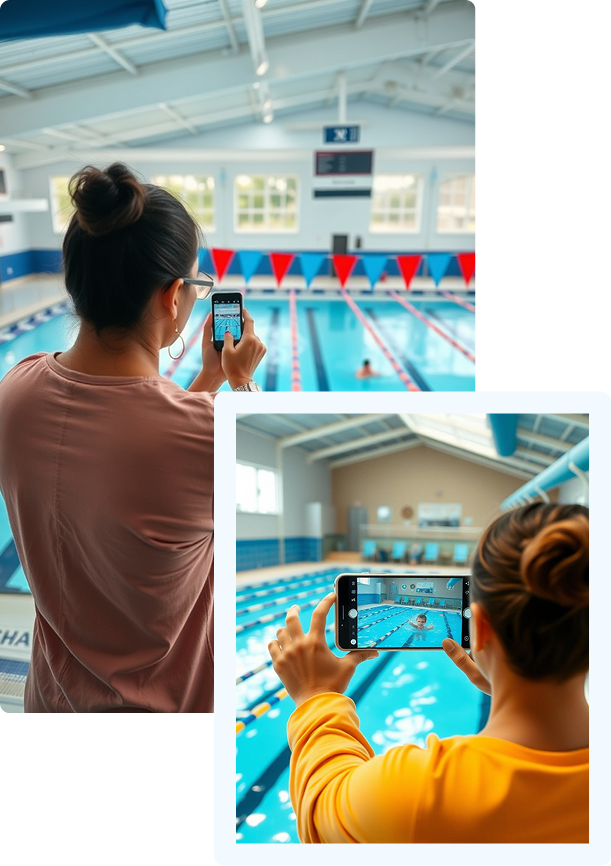
Members must be made aware that while swim england does not support the banning of phones, as children may need them to keep in touch with parents/guardians, particularly in emergencies, we do support the requirement that phones should emit a “noticeable sound” if the camera facility is used.
any photos taken should fall within our guidelines and that if devices are taken into changing rooms, the facility to take photos must not be used.
It is recommended that photographs or footage of individual children should not be kept on an organisation’s website or social media platform if the site is publicly “open for the world to see”, particularly images of a child with their name displayed, that could lead to that child being identified, approached and placed in a vulnerable position. The same could apply to printed materials such as an organisations’ annual report or kit.
Join our welcoming community and give your child the opportunity to learn, grow, and succeed in the water.